 Kinyarwanda
 English
 Français
 Swahili


























Rwanda Takes a Firm Stand to Protect Its Currency and Economy
Written by Wilson Mukimbiri

As the global economy continues to face turbulence caused by wars, rising international commodity prices, and unstable exchange rates, Rwanda is taking decisive steps to safeguard its economy and maintain confidence in its financial system.
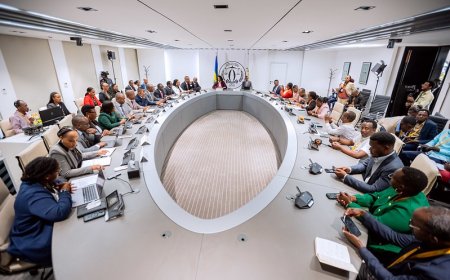
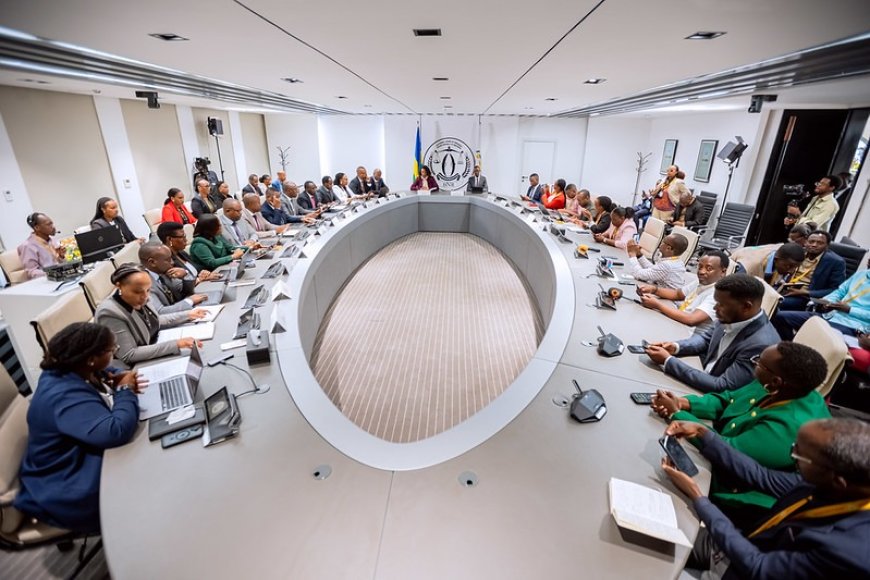
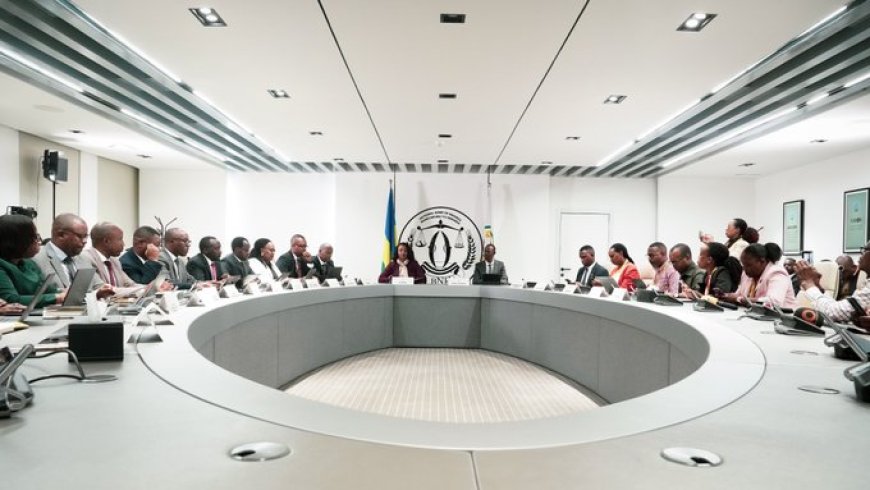
The National Bank of Rwanda (BNR) recently announced an increase in its key policy interest rate from 7.25% to 8.25%. The decision was made jointly by the Monetary Policy Committee and the Financial Stability Committee as part of broader efforts to control inflation and protect the value of the Rwandan franc.
BNR Governor Soraya Hakuziyaremye explained that the move is intended to reduce the pace of rising prices while strengthening the country’s economic resilience during a period of continued global uncertainty.

“When major economic shocks occur, there are temporary measures that must be taken before long-term solutions can fully take effect,” she said.
The Governor also urged Rwandans to manage their finances carefully, especially as global conflicts — including tensions in the Middle East — continue to affect oil prices and international trade.
Economists say that increasing the central bank rate often leads commercial banks to raise interest rates on loans. This reduces the amount of money circulating in the economy, helping slow down inflation and stabilize prices in local markets.
At the same time, the Rwandan government says recent reforms in the foreign exchange market were designed to reduce unnecessary demand for foreign currencies and crack down on illegal trading practices that had disrupted the exchange market.
However, officials stress that lasting economic stability will not come from short-term reforms alone. Instead, Rwanda’s long-term solution lies in increasing exports and reducing dependence on imports.
To narrow the gap between imported and exported goods, the country is investing heavily in industrial development, expanding export-oriented production, and reducing reliance on imported petroleum products.
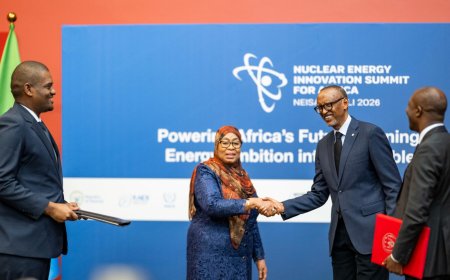
Among the key priorities is the development of renewable energy, including nuclear energy, aimed at cutting the country’s fuel import bill. Rwanda is also promoting local manufacturing industries to produce goods for both domestic use and export, helping generate more foreign exchange revenue.
In addition, the country continues to strengthen its export services sector, particularly in technology, tourism, and finance.
One major initiative is the continued development of the Kigali International Financial Centre, which is being positioned as a gateway for foreign investors looking to do business in Rwanda and across Africa. Officials believe the project will attract more international investment, increase foreign currency inflows, and ease pressure on the Rwandan franc.
Despite ongoing global economic challenges, Rwanda’s leaders remain optimistic that the measures being implemented will help build a stronger, more stable, and sustainable economy.
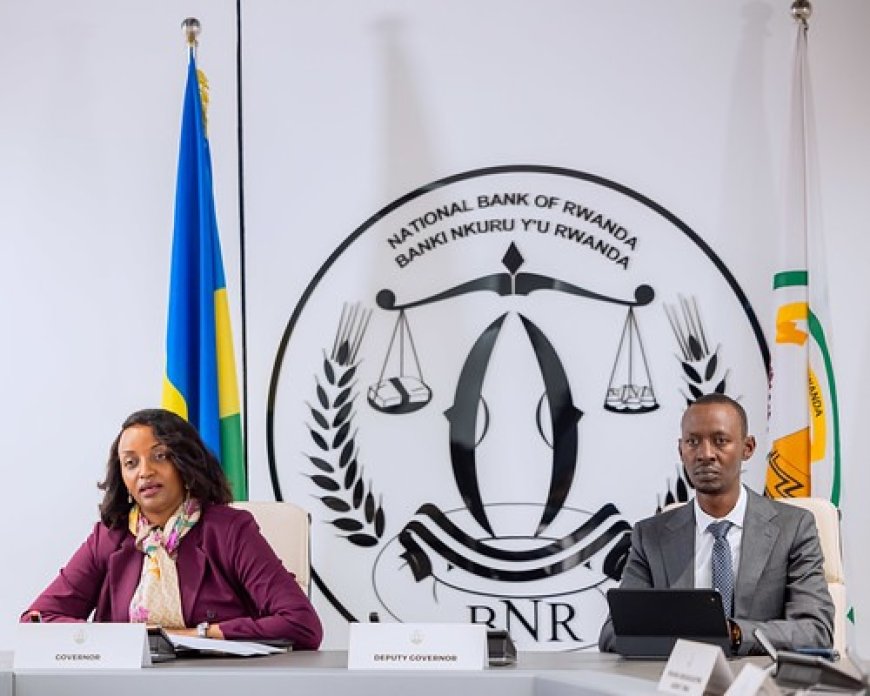
The decision to raise the BNR policy rate is seen as a strategic move to protect the nation’s economy and preserve the value of its currency while the country pursues long-term solutions focused on exports, industrial growth, and economic self-reliance.
What's Your Reaction?
 Like
0
Like
0
 Dislike
0
Dislike
0
 Love
0
Love
0
 Funny
0
Funny
0
 Angry
0
Angry
0
 Sad
0
Sad
0
 Wow
0
Wow
0