 Kinyarwanda
 English
 Français
 Swahili












Centre Christus: The Refuge That Turned Into a Killing Ground During the 1994 Genocide
Written by Wilson Mukimbiri
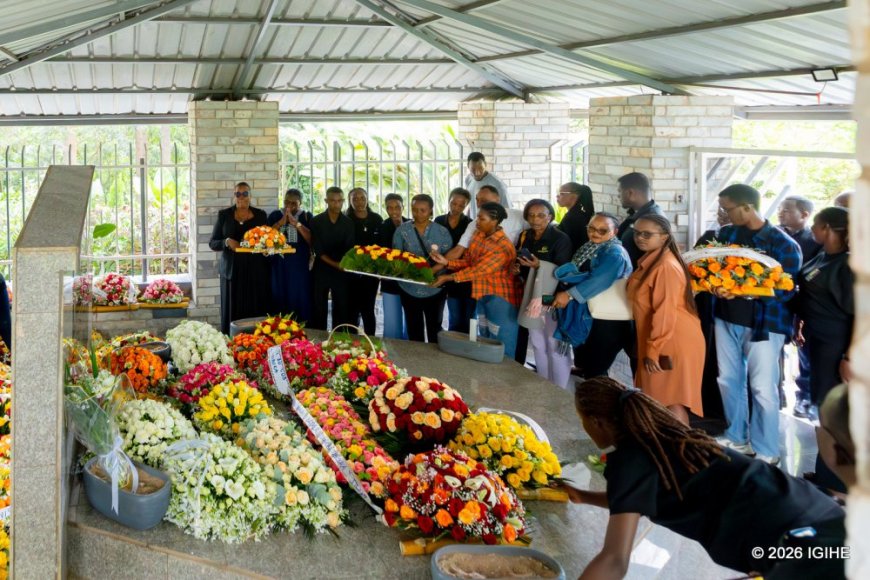
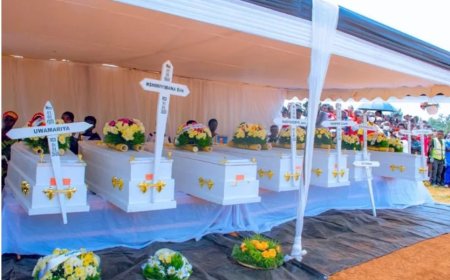
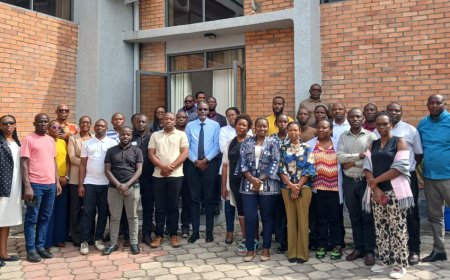
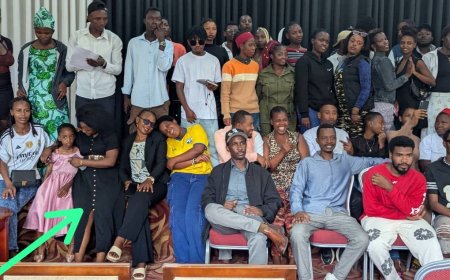
As Rwanda continues the 32nd commemoration of the 1994 Genocide against the Tutsi, survivors and leaders gathered to remember the tragic events that unfolded at Centre Christus in Remera, Gasabo District. The site, where many Tutsi had sought refuge hoping to survive the violence, instead became a place where they were brutally killed.
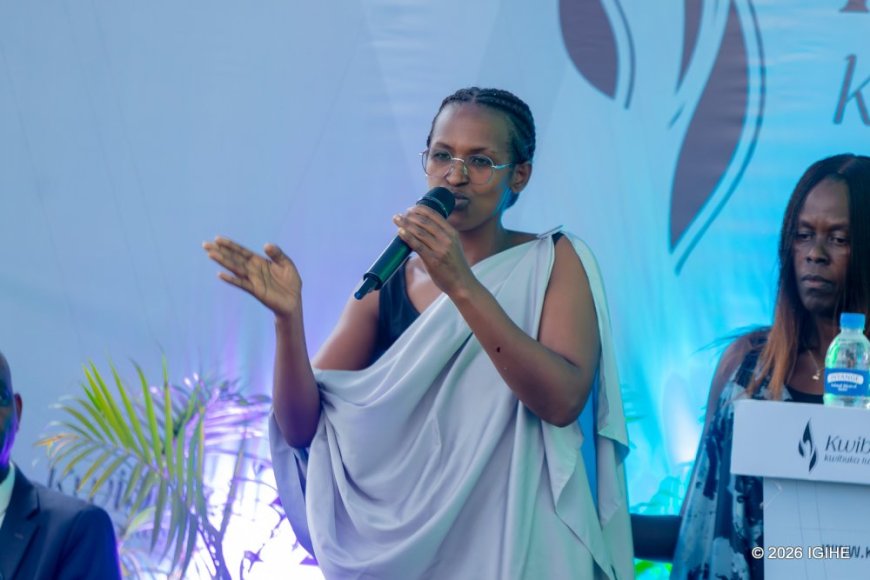
During the commemoration held on the evening of Sunday, April 12, 2026, the Deputy Mayor of Kigali in charge of Socio-Economic Affairs, Urujeni Martine, emphasized that the Genocide against the Tutsi was the culmination of a long-planned campaign that had been preceded by numerous warning signs before 1994.
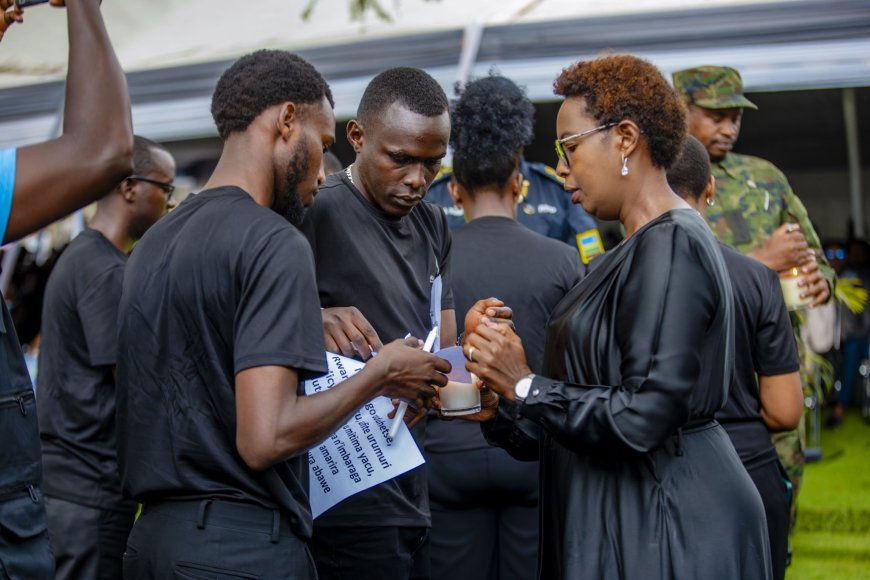
She recalled that during the 100 days of genocide, Tutsi were murdered in broad daylight. Many had fled to places they believed would offer protection, including churches, schools, and various institutions. However, the killers relentlessly pursued them even in those supposed safe havens.
“Commemoration is a duty we owe to our loved ones,” Urujeni said. “It restores the dignity and value that were taken from them by those who deprived them of life. But it is also a bridge that allows us to revisit our history and learn lessons to build unity and resilience.”
She commended survivors of the Genocide against the Tutsi for their strength and determination to rebuild their lives despite the immense trauma they endured. According to her, the progress many survivors have made today reflects remarkable resilience and hope for the future.
“We thank you for choosing life and for continuing to strive for hope despite the extremely difficult path you walked,” she added. “Today many of you have rebuilt your lives, and much of that progress has been made possible through the good leadership of our country.”
Urujeni also highlighted that while Rwanda’s history includes the painful chapter of genocide, it also contains a story of courage and hope. She praised the Rwanda Patriotic Army (RPA-Inkotanyi), led by President Paul Kagame, for stopping the genocide and rescuing many Rwandans who were in danger.
Denis Karera, a prominent Rwandan businessman who also took part in the liberation struggle, said the history of the genocide teaches Rwandans an important lesson about the importance of unity.
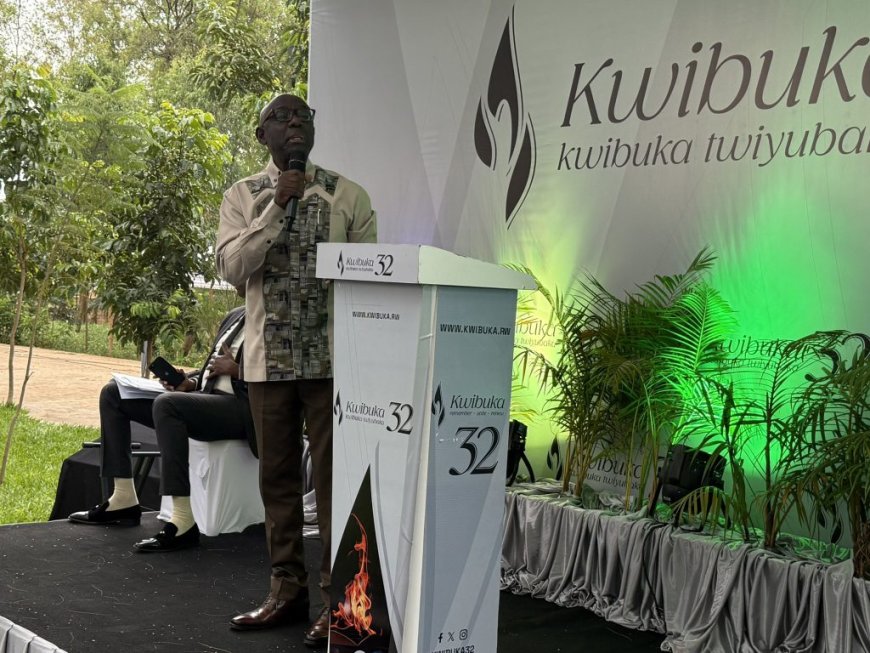
He noted that the genocide was made possible largely because Rwandans had been divided, allowing the perpetrators to execute their plan.
“The genocide perpetrators succeeded because they divided us,” Karera said. “Once they separated us, it became easier to turn us against each other and destroy us.”
He added that unity does not mean people must think alike, but rather that differences should be addressed through dialogue and mutual understanding.
Karamba Emmanuel, the president of Ibuka in Remera Sector, said that when the genocide was stopped, many survivors had lost hope and direction in life. However, he noted that today many of them are proud of the progress they have made in rebuilding their lives.
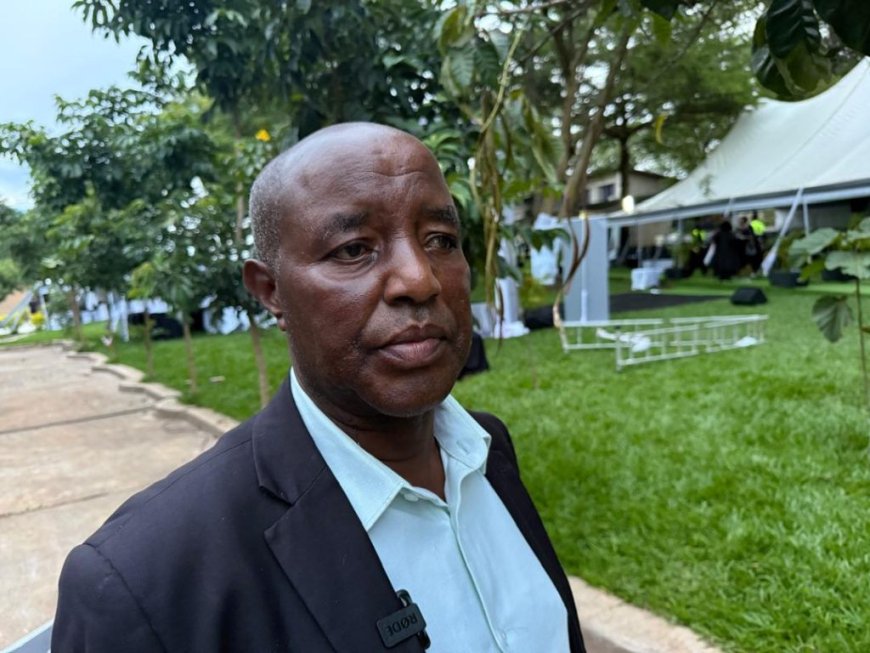
One survivor, Joselyne Umurerwa, shared a deeply emotional testimony. Out of six siblings in her family, only three survived the genocide, and they endured extremely difficult experiences.
Today, however, she says they are grateful for the chance to live in peace and rebuild their lives.
“We have rebuilt our lives and even started families of our own,” she said. “We are no longer living in fear or isolation. We feel safe and live peacefully alongside other Rwandans.”
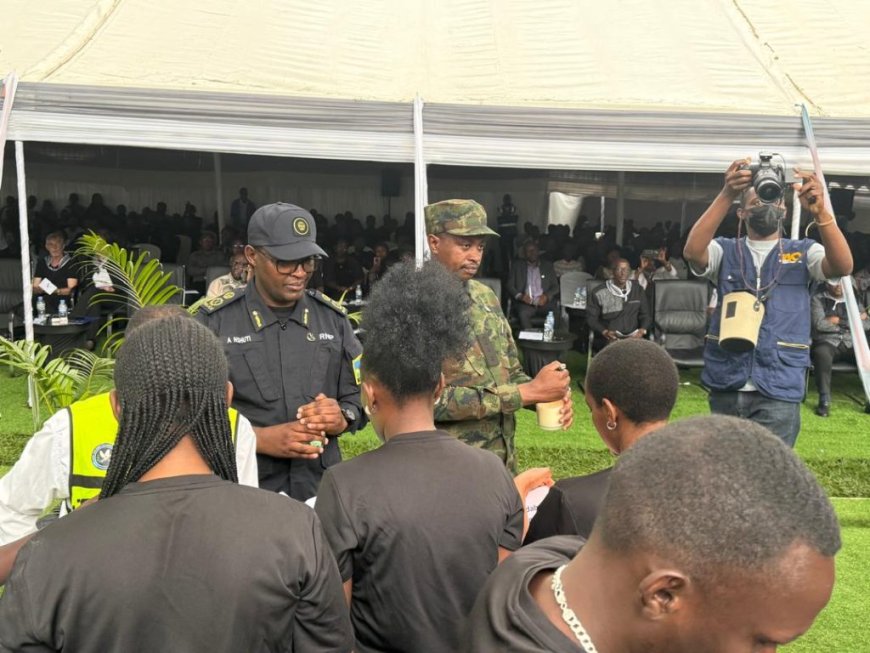
The commemoration served as a reminder that remembering the Genocide against the Tutsi is not only about reflecting on the past. It is also about strengthening unity among Rwandans and ensuring that such a tragedy never happens again.
What's Your Reaction?
 Like
1
Like
1
 Dislike
0
Dislike
0
 Love
1
Love
1
 Funny
0
Funny
0
 Angry
0
Angry
0
 Sad
0
Sad
0
 Wow
1
Wow
1