 Kinyarwanda
 English
 Français
 Swahili






Kinshasa Falls Silent as “Dead City” Protest Signals Deepening Constitutional Debate in DR Congo
Written by Wilson Mukimbiri

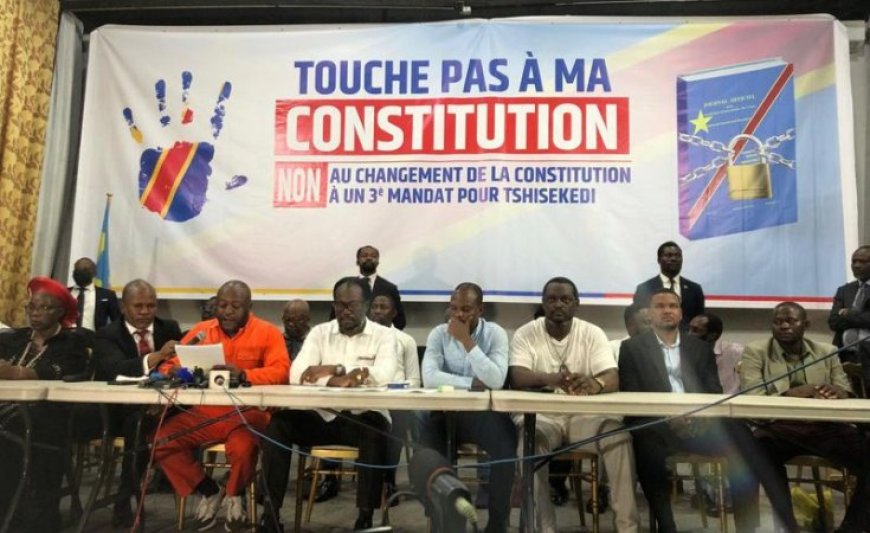
KINSHASA, DR Congo — The capital of the Democratic Republic of Congo (DRC), Kinshasa, experienced an unusual calm on Wednesday following a “Ville Morte” (“Dead City”) protest called by the opposition coalition known as C64.
From the early hours of the morning, many aspects of daily life appeared to slow dramatically or come to a standstill. Roads that are typically crowded with commuters and traffic were noticeably quiet, while numerous shops, markets, and businesses remained closed, reflecting widespread participation in the protest action.
Organizers of the demonstration said the protest was intended to oppose reports of a possible constitutional reform process that they fear could pave the way for extending President Félix Tshisekedi’s time in office. According to C64 leaders, any changes that could affect presidential term limits would undermine democratic principles and the peaceful transfer of power.
In statements issued before the protest, opposition leaders urged citizens to stay home and suspend their normal activities as a show of support for constitutional order and democratic governance.
Government officials, however, have rejected those allegations. Authorities insist there are no plans to amend constitutional provisions governing presidential terms. Instead, they argue that ongoing discussions focus on institutional reforms aimed at improving governance and strengthening the efficiency of state institutions.
Political analysts say the “Dead City” protest highlights growing tensions over governance and the future direction of the DRC’s political system. The debate comes at a time when the country continues to grapple with insecurity in its eastern regions and persistent economic challenges that affect millions of citizens.
Although no major incidents of violence or significant clashes between protesters and security forces had been reported at the time of writing, citizens, political leaders, and members of the international community are closely monitoring developments in the strategically important Central African nation.
The protest has once again underscored how constitutional issues and the question of political succession remain among the most sensitive topics in Congolese politics. As competing voices continue to shape the national debate, attention is increasingly turning to the path the DRC will choose in the years ahead.
What's Your Reaction?
 Like
0
Like
0
 Dislike
0
Dislike
0
 Love
0
Love
0
 Funny
0
Funny
0
 Angry
0
Angry
0
 Sad
0
Sad
0
 Wow
0
Wow
0