 Kinyarwanda
 English
 Français
 Swahili










Rwandan Journalists Urge Swift Reform of the National Media Policy to Strengthen the Profession
By Noel Mporebuke
Kigali – November 7, 2025
Rwandan journalists have once again raised concern over the lack of an updated national media policy, describing it as one of the key challenges hindering the development and professionalism of journalism in the country. They are urging authorities to expedite the policy review process to ensure a stronger, more sustainable media sector.
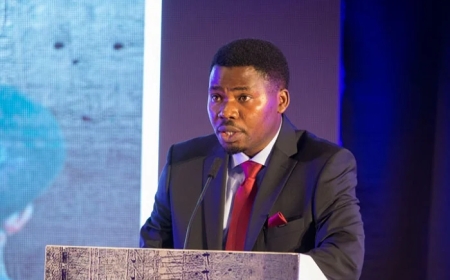
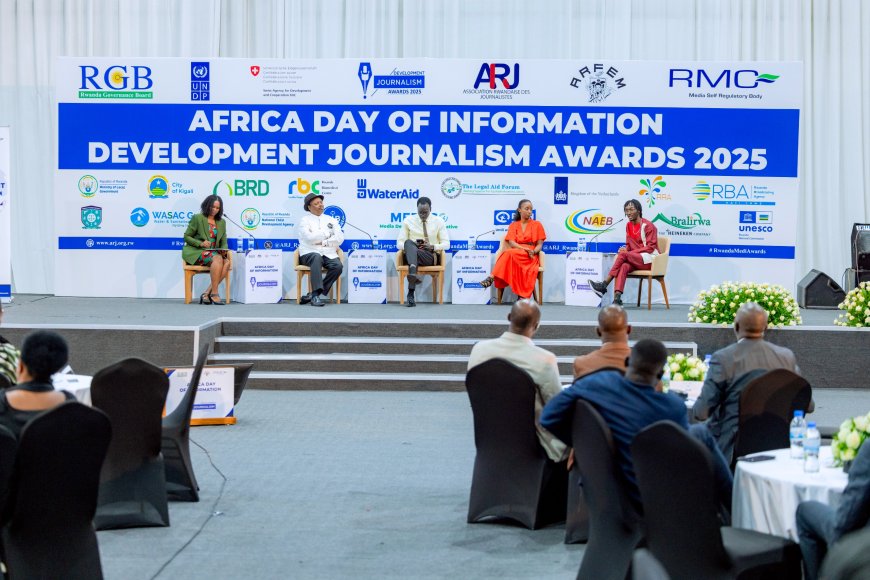
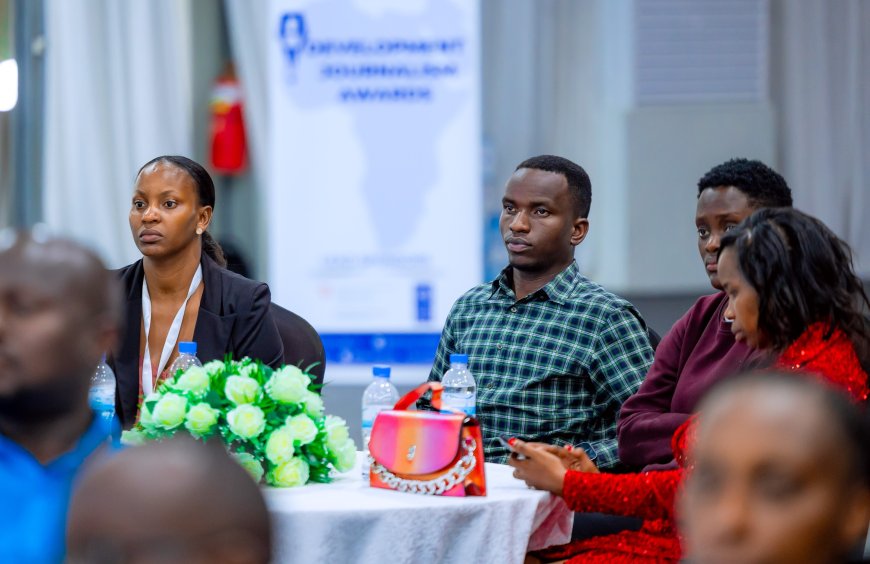
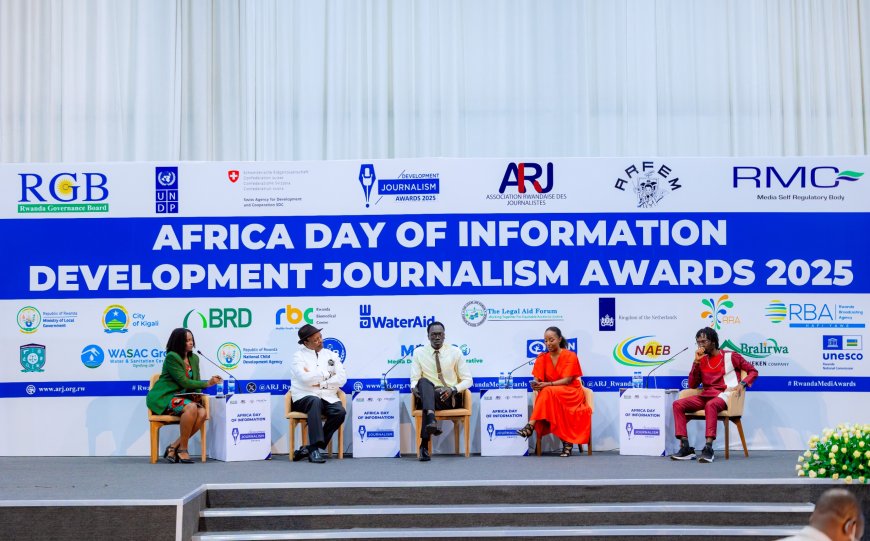
The discussions took place as Rwanda marked the African Day of Information (ADI) at the Kigali Convention and Exhibition Village (KCEV) — an event that also featured the Development Journalism Awards (DJA 2025), which honor journalists and storytellers who shape Africa’s image through impactful reporting.
Journalists Call for a Clear and Modernized Media Policy
At the forum that brought together key stakeholders in the media sector, journalists emphasized that relevant institutions should prioritize the revision of the national media policy to establish a clear framework for independent, ethical, and capable journalism in Rwanda.
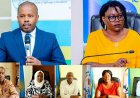
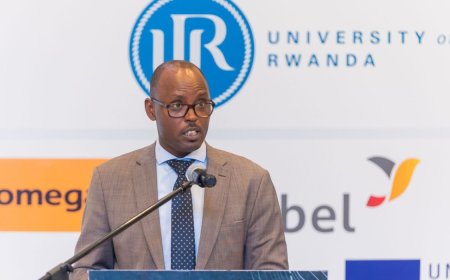
Jean Bosco Rushingabigwi, Head of Media Development at the Rwanda Governance Board (RGB), noted that while Rwanda’s media continues to progress, several persistent challenges remain particularly in journalism education.
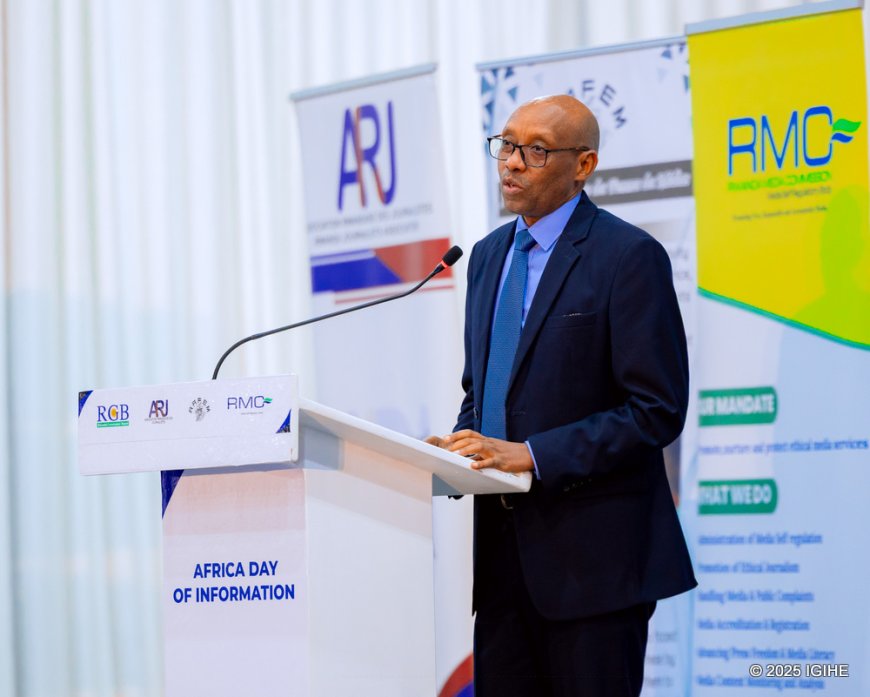
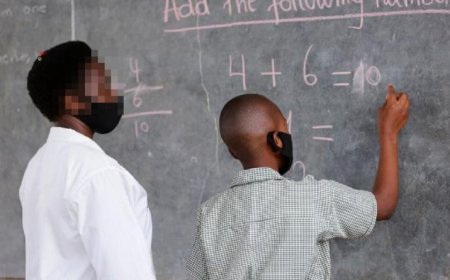
“Media schools must align their programs with modern realities. How can a university teach 80 journalism students with only two cameras? How can a student graduate without ever handling one? We must strengthen hands-on, skills-based training,”
said Jean Bosco Rushingabigwi.
He added that low wages, gender inequality, and harassment against women in journalism remain serious issues, but expressed hope that the new media policy will help address these challenges. “We are still waiting, but I can assure you that the issues we’ve discussed are being actively addressed,” he concluded.
RMC Pushes for Faster Implementation
Scovia Mutesi, Chairperson of the Rwanda Media Commission (RMC), emphasized that the forthcoming policy will play a vital role in setting a clear direction for Rwanda’s media landscape.
“We’re calling for the process to be accelerated so that no journalist is left behind when seeking accreditation or operational rights. The policy should define what media outlets can do, how they operate, and the ethical principles they must uphold all while respecting constitutional freedoms,” stressed Scovia Mutesi.
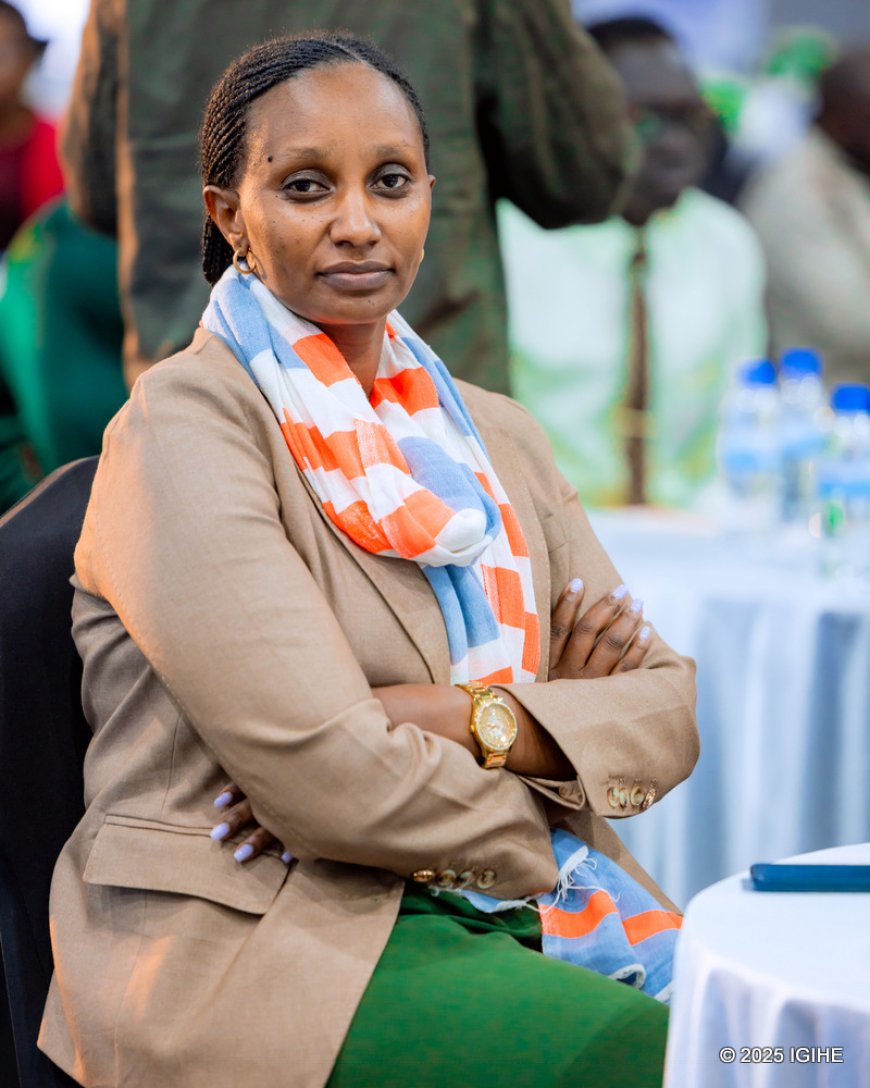
She also raised concerns over the high transmission fees charged by RBA, which continue to burden local media houses, urging for support mechanisms to ensure their sustainability.
Dr. Edward Kalisa ‘Information is Africa’s Power’
Opening the ADI 2025 celebrations, Dr. Edward Kalisa, Secretary General of RGB, underscored the need for African nations to use information constructively rather than destructively. “Information is power. How it is used determines the future of our countries. We must build media systems rooted in truth, innovation, and freedom to tell the real story of Africa,” Dr. Edward Kalisa.
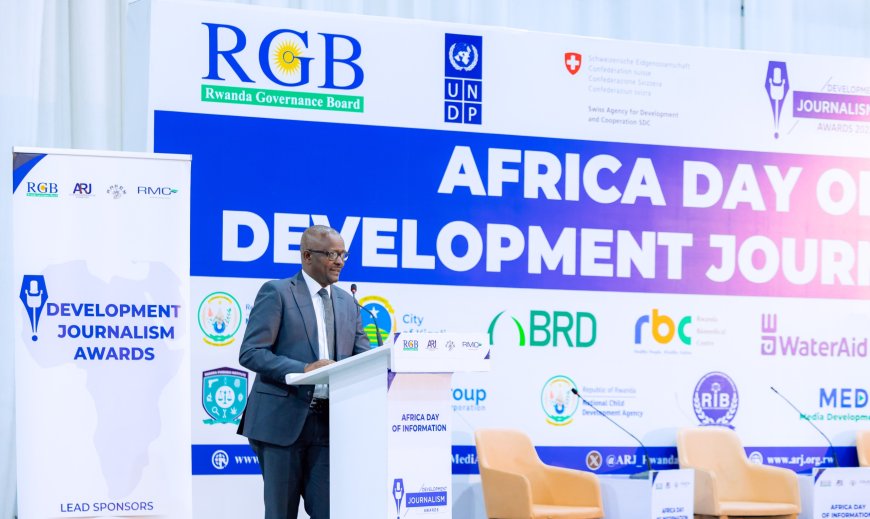
He further emphasized the pivotal role of African youth in reshaping the continent’s narrative through fact-based, empowering storytelling.
“Young people are the hope of tomorrow. We must support them to become truth-tellers and changemakers in Africa’s media landscape,”
emphasized Dr. Edward Kalisa.
The evening concluded on a high note with a lively performance by the Symphony Band, celebrating the winners of the DJA 2025 Awards for their excellence and innovation in journalism.
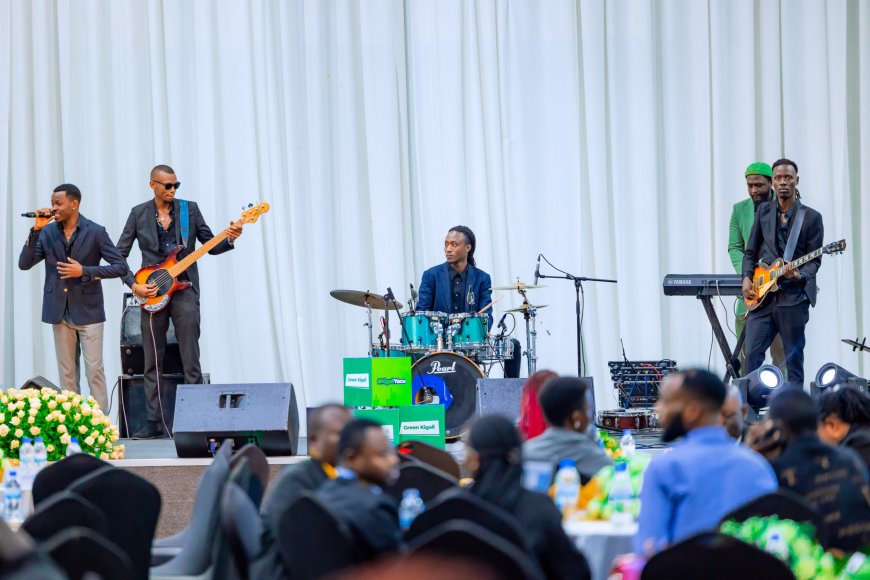
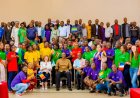
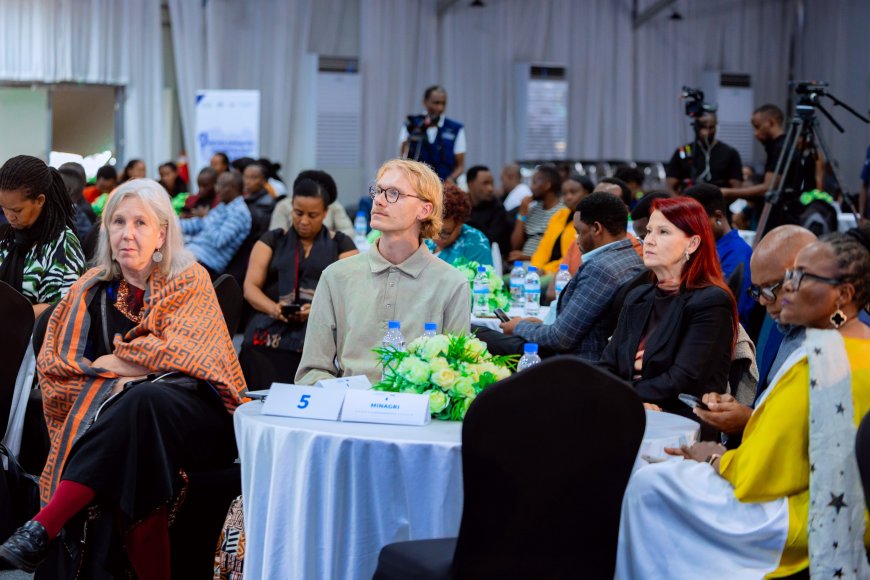
The event brought together journalists, researchers, policymakers, and media students all united in one mission: to build a credible, ethical, and professional media sector that tells Africa’s true story.
What's Your Reaction?
 Like
0
Like
0
 Dislike
0
Dislike
0
 Love
0
Love
0
 Funny
0
Funny
0
 Angry
0
Angry
0
 Sad
0
Sad
0
 Wow
0
Wow
0