 Kinyarwanda
 English
 Français
 Swahili
























Bangladesh’s Former Prime Minister Sentenced to Death for Crimes Against Humanity


Kigali, November 17, 2025
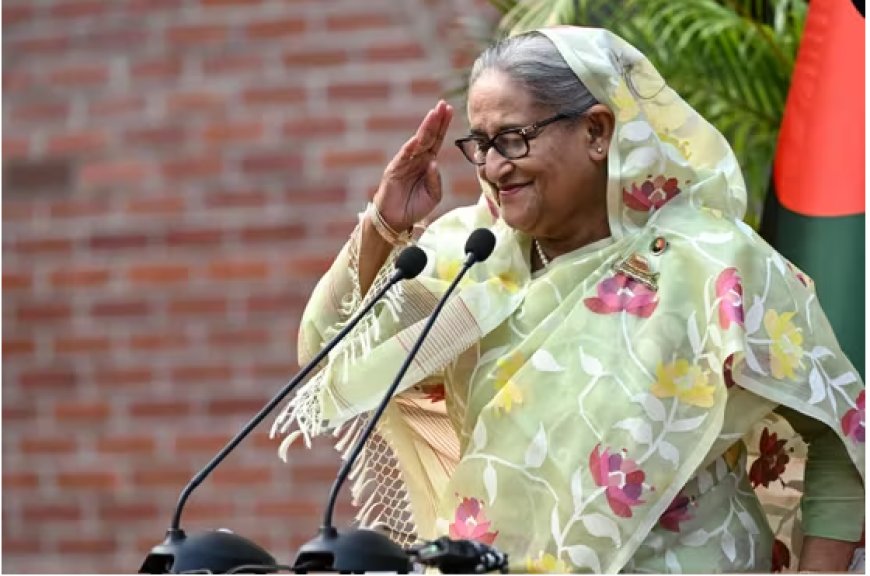
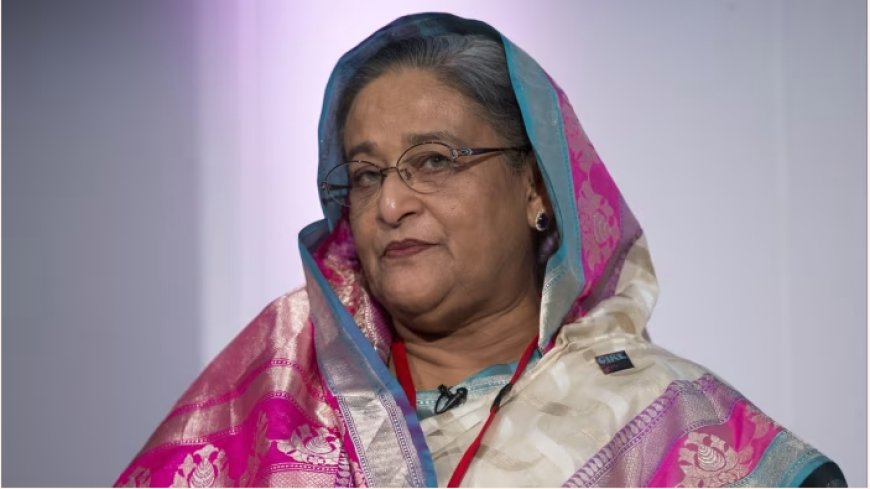
In a landmark and highly charged verdict, a special tribunal in Dhaka on Monday sentenced former Prime Minister Sheikh Hasina to death in absentia, convicting her of crimes against humanity over a brutal crackdown on student-led protests in 2024. The ruling, delivered by a three-judge panel of the International Crimes Tribunal (ICT), marks one of the most dramatic turnarounds in Bangladesh’s political history.
The Verdict and Charges
-
The tribunal found Hasina guilty on three counts, including ordering killings, incitement, and failing to prevent mass murder.
-
According to the court’s 453-page judgment, she exercised “superior command responsibility,” orchestrating the use of lethal force via helicopters, drones, and live ammunition.
-
The judges called her the “mastermind of the killings.”
-
Her former Home Minister, Asaduzzaman Khan Kamal, was also sentenced to death. A former police chief, Chowdhury Abdullah Al-Mamun, who cooperated with investigators, was given five years’ imprisonment.
Background: How It Got Here
The 2024 Uprising
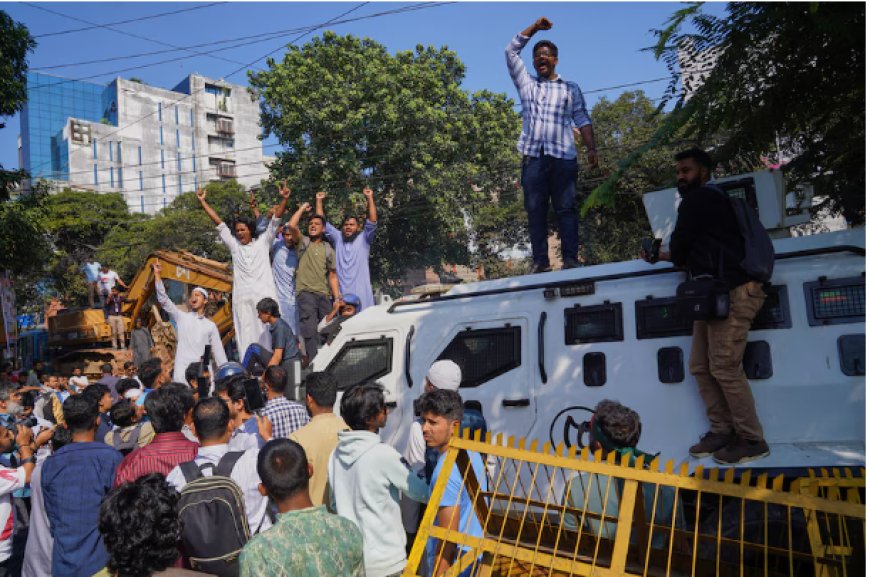
The case stems from a large-scale, student-led uprising in July–August 2024, often referred to as the “July Revolution.” What began with demonstrations over public service quotas quickly escalated, with thousands of students protesting government corruption, economic hardship, and political repression.
According to UN estimates cited at trial, as many as 1,400 people were killed during the unrest, most of them students, when security forces opened fire.
The Prosecution’s Case
Prosecutors brought five counts against Hasina and her co-accused, including murder, torture, use of inhumane methods, and “other inhumane acts.” They argued that the crackdown was not a spontaneous response, but rather a coordinated, systematic, and widespread attack on civilians.
Key pieces of evidence included:
-
Audio recordings allegedly capturing Hasina ordering security forces to “use lethal weapons.”
-
Testimony from Al-Mamun, the former police chief, who turned state witness.
-
Documents and videos tracing drone and helicopter movements as part of the suppression.
Her Defense and Reaction
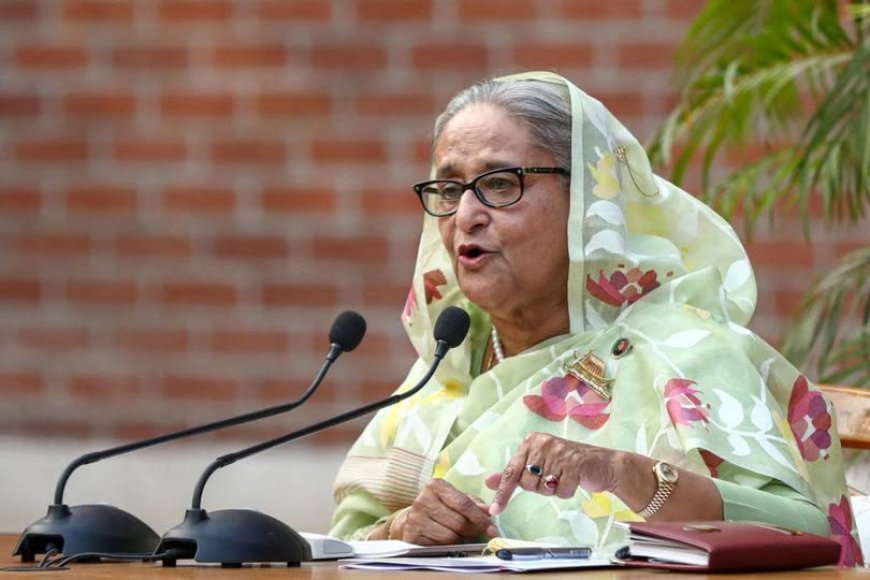
Hasina, who fled to India in August 2024 and remains in self-imposed exile, has consistently denied the charges, calling the tribunal biased and politically motivated. She argues that while her government may have “lost control,” the protests did not justify what the court has characterized as a premeditated assault on civilians.
In a statement, she decried the trial process as “rigged” by an unelected interim government, warning that the verdict is part of a broader effort to sideline her party, the Awami League.
Political Fallout and Risks
-
The verdict comes amid rising tensions in Bangladesh. Security was tightened around the tribunal ahead of the ruling, with reports of “shoot-on-sight” orders in sensitive areas.
-
Supporters of Hasina have denounced the sentence, calling it a political purge.
-
Human rights groups, while welcoming the court’s acknowledgment of mass violence, have raised concerns about due process and the use of the death penalty.
-
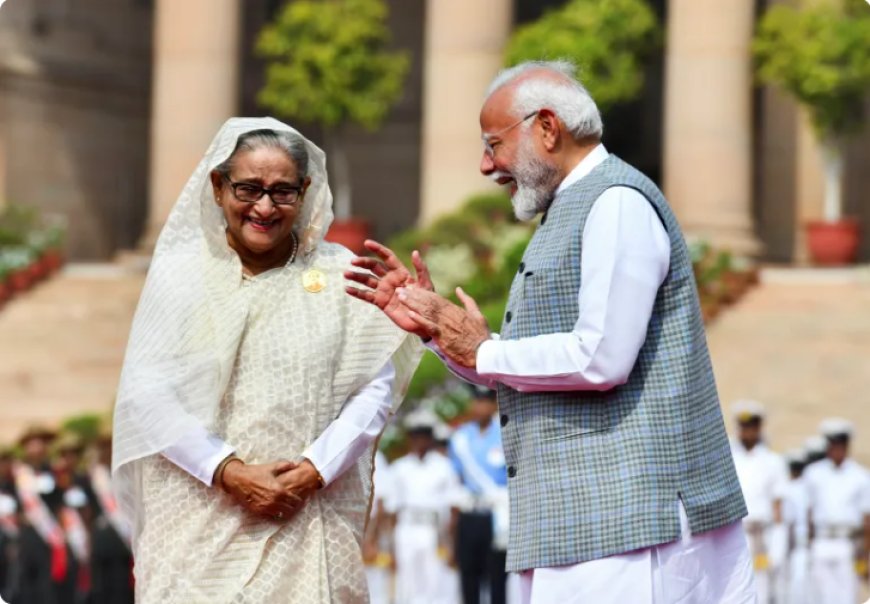
Diplomatically, the ruling could spark major repercussions: Hasina is in India, and Dhaka may push for extradition.
-
With national elections slated for February 2026, the verdict risks further polarizing an already fragile political environment.
Why This Moment Is Historic
-
First of Its Kind: This is the first time a former Bangladeshi leader has been sentenced to death by a national tribunal for crimes against humanity on this scale.
-
Turn of Institutions: Ironically, the tribunal that convicted her, the International Crimes Tribunal was begun under Hasina’s own government back in 2009 to try war crimes from Bangladesh’s independence war.
-
Justice vs. Revenge: The ruling will be seen by many as a long-overdue accountability for those killed during the 2024 protests. But critics warn it could also fuel a cycle of retribution, especially given Bangladesh’s fraught history of political vendettas.
International and Human Rights Perspectives
-
Some human rights observers argue the trial is necessary: for decades, rights abuses enforced disappearances, political killings, and suppression of dissent have plagued Hasina’s long rule.
-
Others caution that the death penalty raises deep ethical and legal issues, particularly if extradition from India becomes a factor.
-
The verdict could also test Bangladesh’s international standing: will other nations and global institutions pressure Dhaka on implementation, or offer mediation?
What’s Next?
-
Appeal: Legally, Hasina’s defense may try to challenge the verdict. But enforcing the sentence is complicated: she remains in India.
-
Political Turmoil: The verdict may deepen divides. Protests could flare, especially among her supporters.
-
Elections: With the next national vote looming in early 2026, this could reshape the political playing field potentially disqualifying a major figure from returning.
Noel Mporebuke
What's Your Reaction?
 Like
0
Like
0
 Dislike
0
Dislike
0
 Love
0
Love
0
 Funny
0
Funny
0
 Angry
0
Angry
0
 Sad
0
Sad
0
 Wow
0
Wow
0